
The Problem
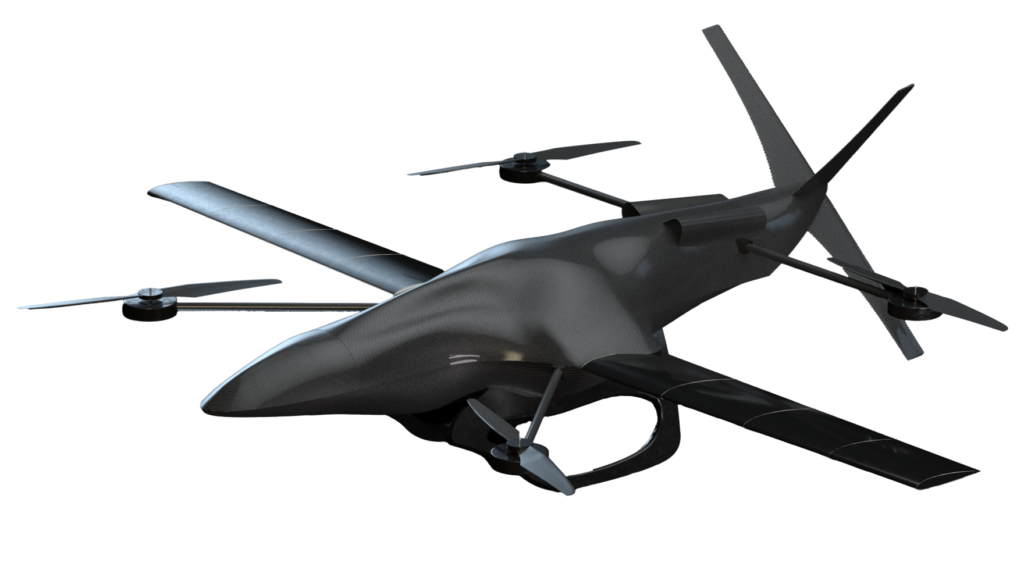
Agricultural spraying required a drone that could carry heavy payloads and fly autonomously in harsh field conditions. The flight controller and motor driver needed to keep the aircraft stable under load, use power efficiently, and reduce reliance on expensive imported components.
Watch the aircraft and field-operation footage for context on the agricultural application; this news feature is separate from the motor-driver bench test.
The Engineering
I led the R&D team in designing a custom high-power brushless motor driver and an intelligent flight controller from the ground up. We optimized both the hardware architecture and the firmware to handle high-load operations without compromising reliability. The system features advanced autonomous flight logic that adjusts patterns based on real-time external data, ensuring precise application and optimal energy usage.
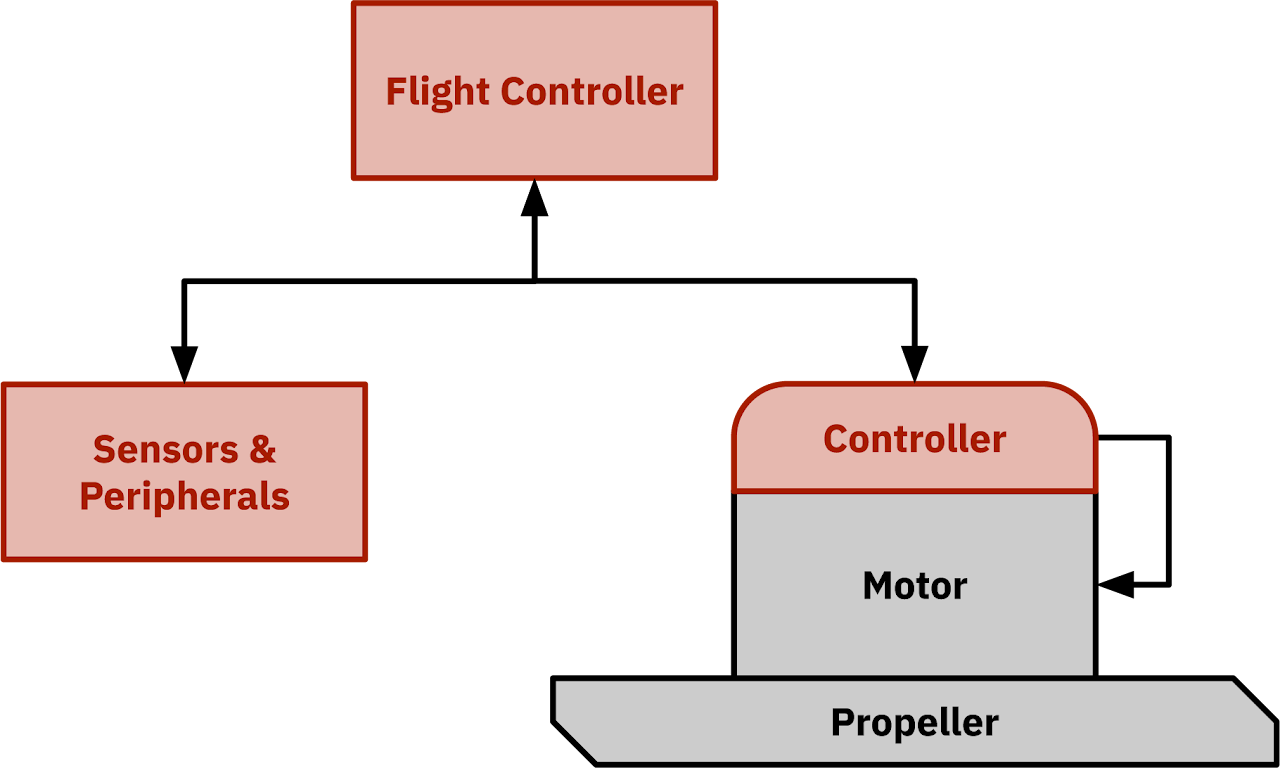
Watch the motor and propeller running on the bench. This test achieved 120 kgf of thrust at 2,000 RPM and 350 V; it measures the motor-driver assembly rather than full-aircraft performance.
The Results
The in-house hardware increased payload capacity by 30% and reduced import costs by 80%. The motor-driver bench test achieved 120 kgf of thrust at 2,000 RPM and 350 V. At the aircraft level, the Harpia P-71's reported coverage is 10,000 acres in 24 hours, with operating costs around one-third of traditional methods.