

The Problem
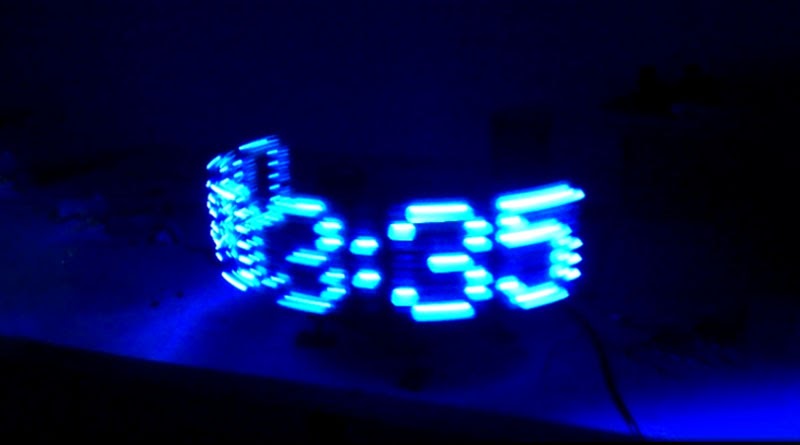
The objective was to create a digital clock that appeared to float in mid-air using a mechanical optical illusion. The technical hurdles involved synchronizing a spinning display to the human eye's persistence of vision and transferring power to a board rotating at 600 RPM without tangling wires.
The Engineering
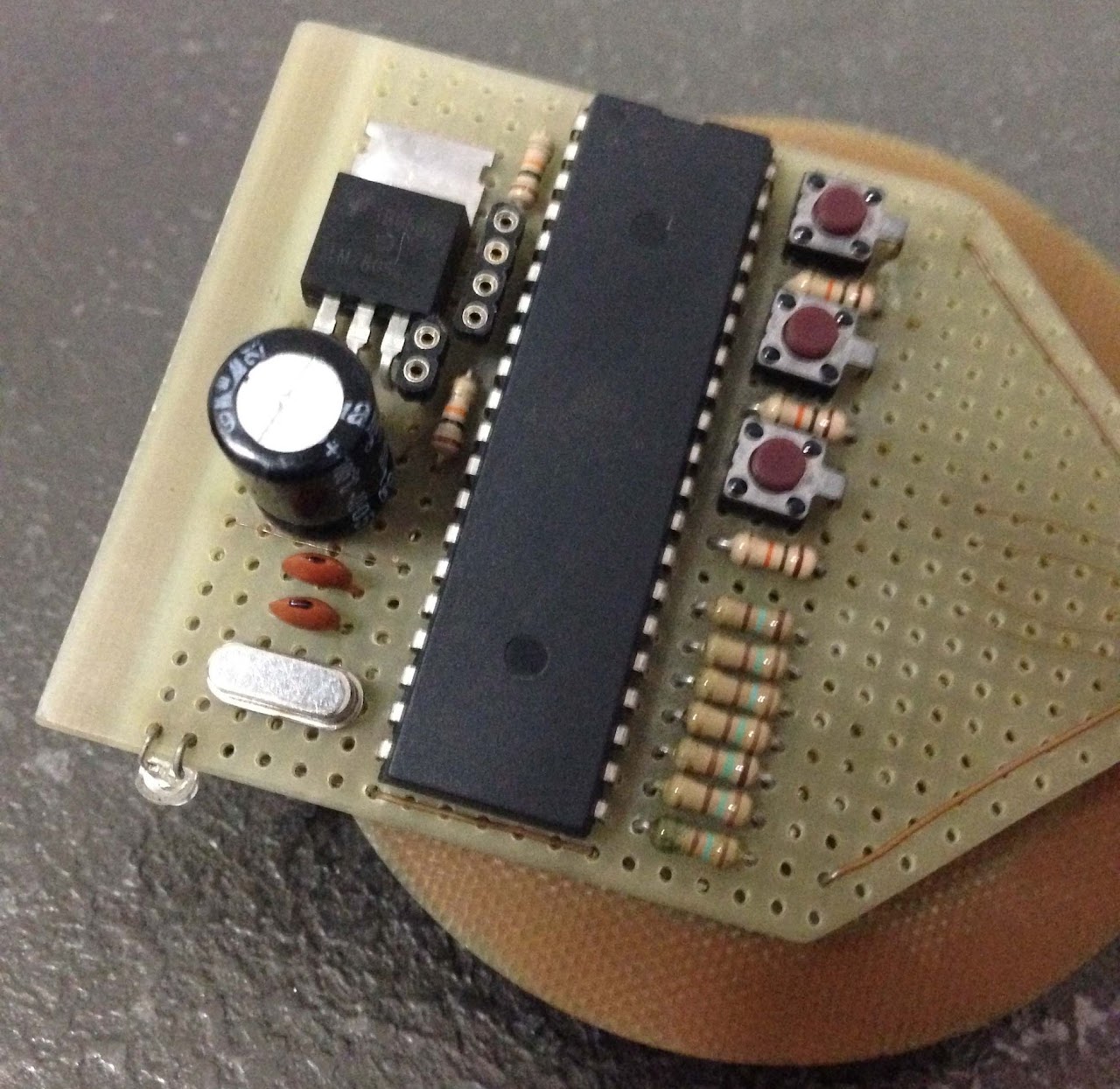
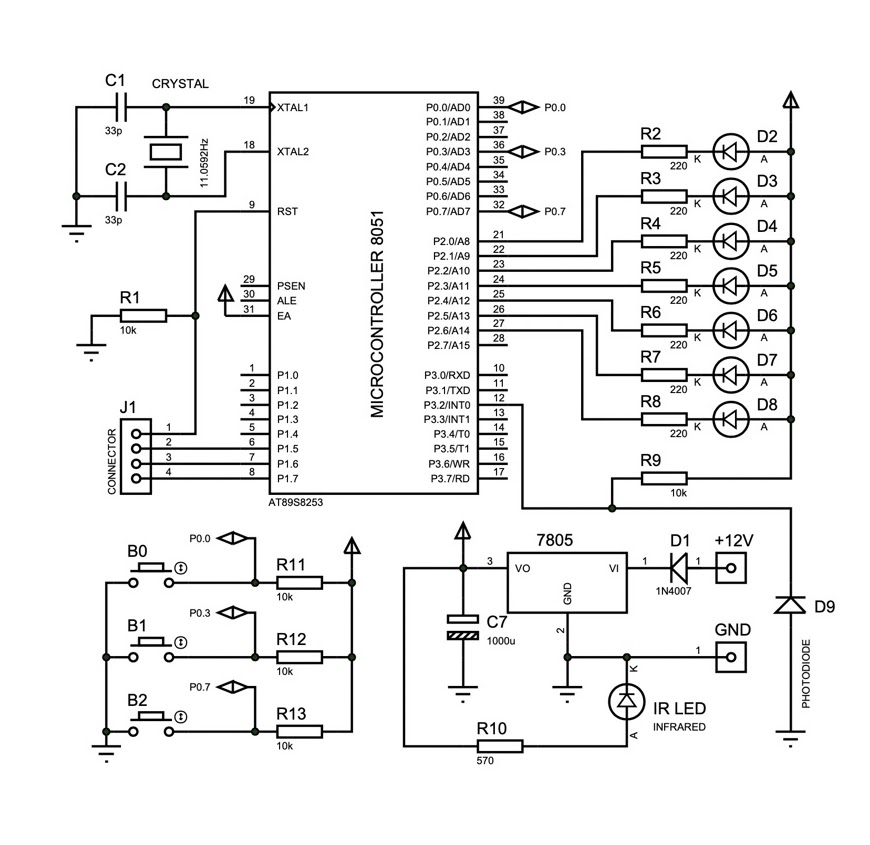
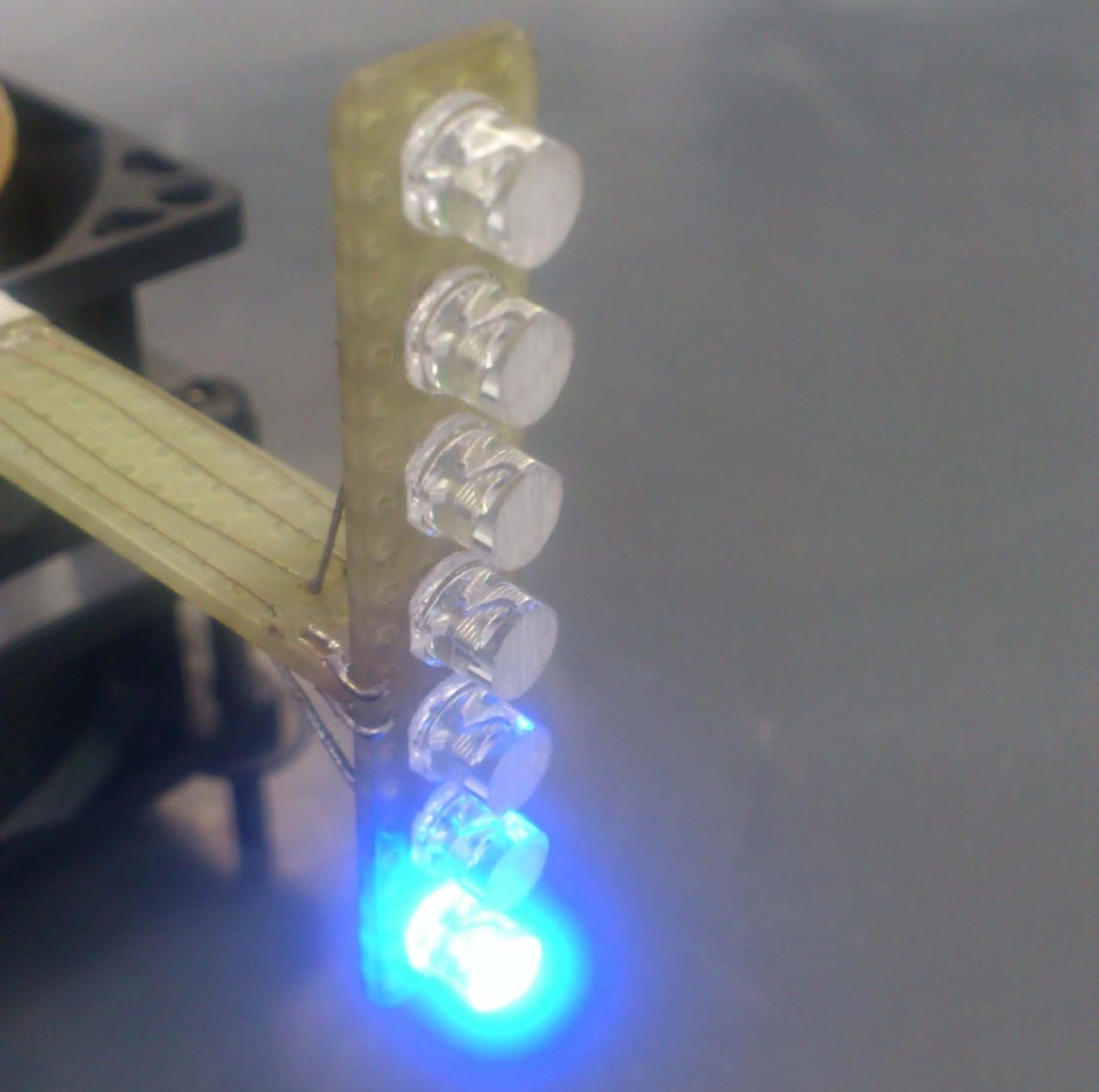
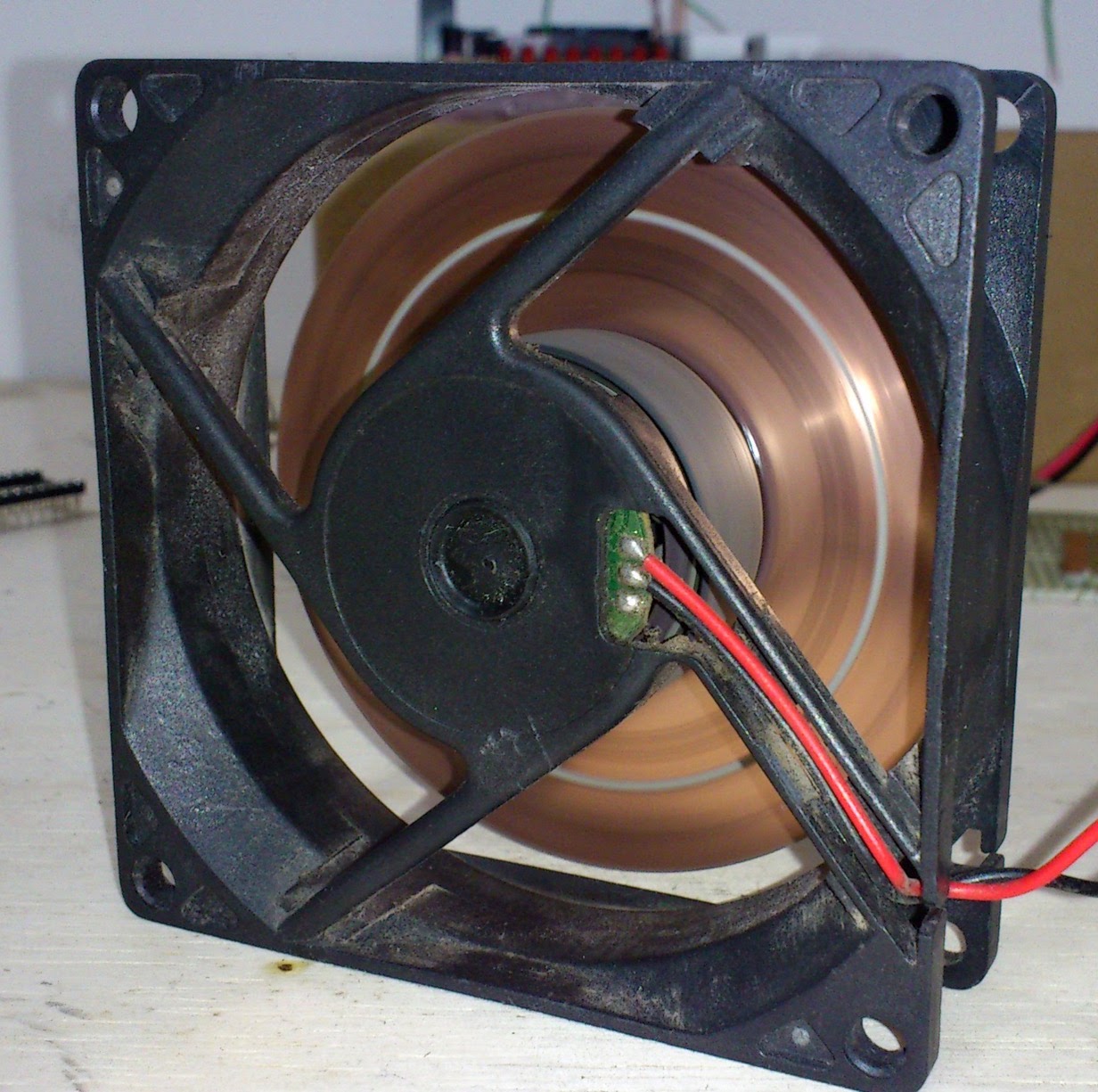
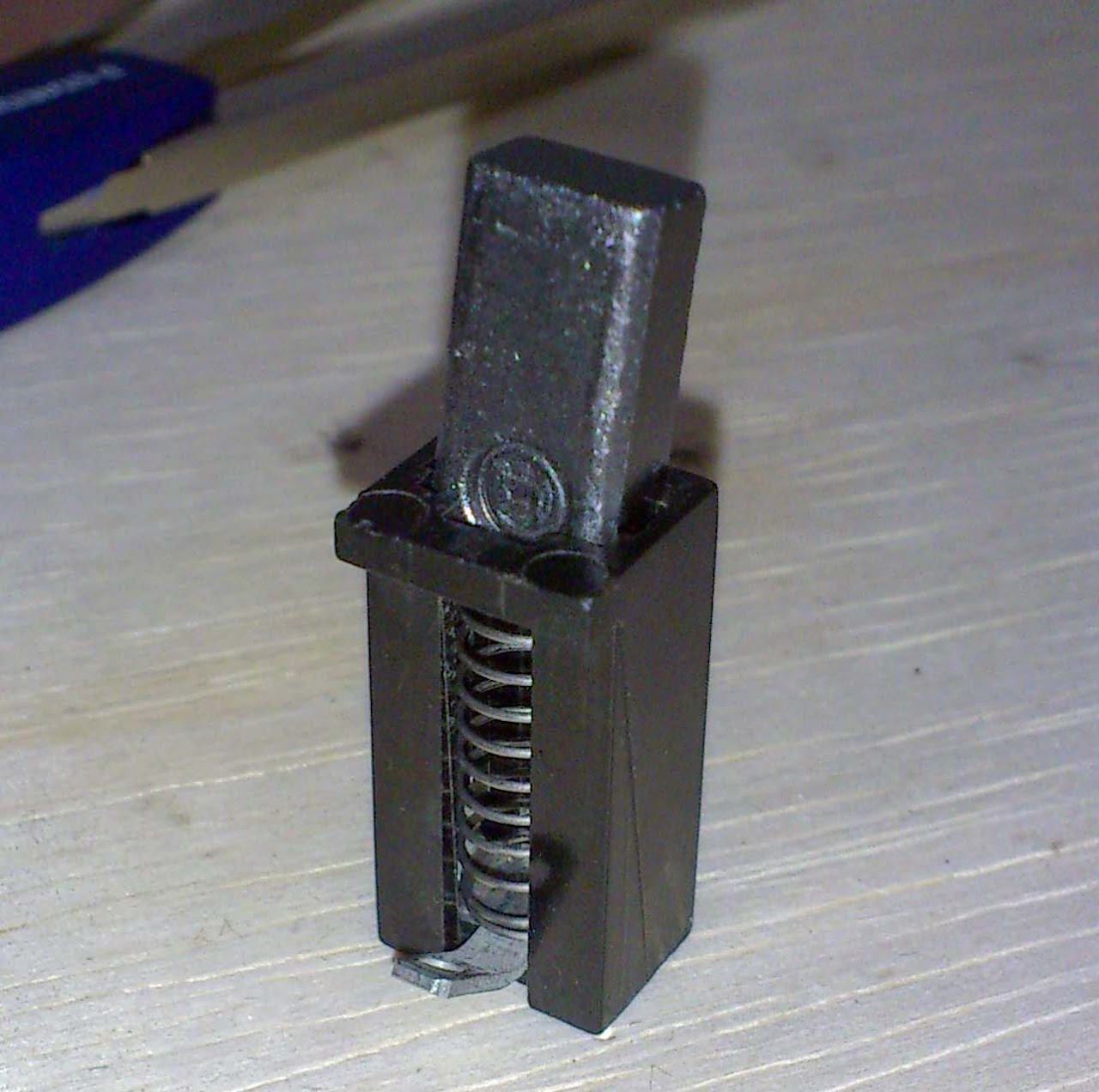
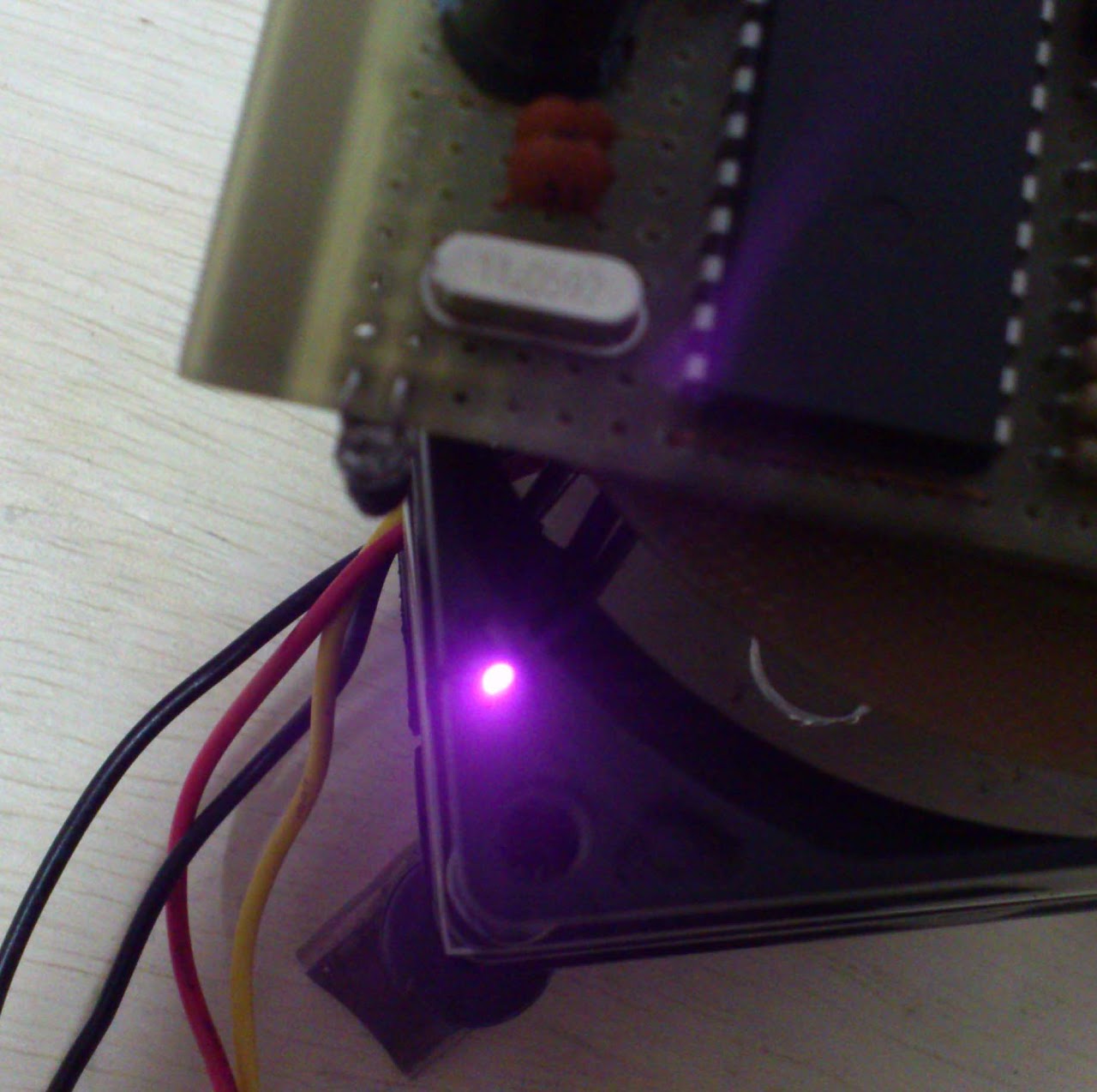
I built the display around a line of seven LEDs and an Intel 8051 microcontroller. Carbon brushes deliver power to the rotating board. An infrared photodiode detects a fixed beam once per revolution, triggering an interrupt every 100 ms at 600 RPM. That reference synchronizes the LED flashes with the board’s rotation to draw a stable six-digit display.
The Results
The working prototype produced the floating six-digit clock shown in the demonstration below. Built as my electronics capstone, it combined circuit design, embedded firmware, optical sensing, and a rotating mechanical assembly.
Watch the six digits appear stable while the seven-LED board rotates. Optical synchronization times each flash to draw the clock in mid-air.